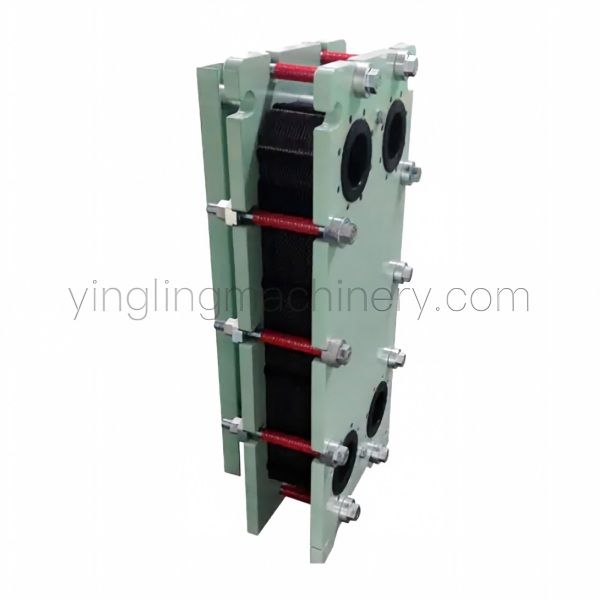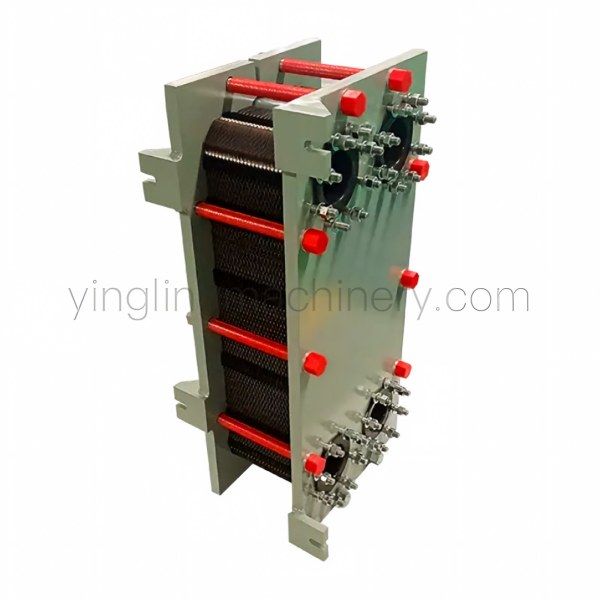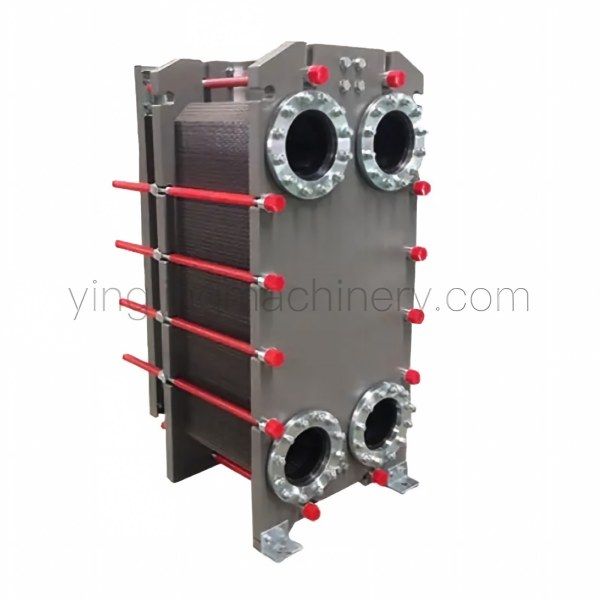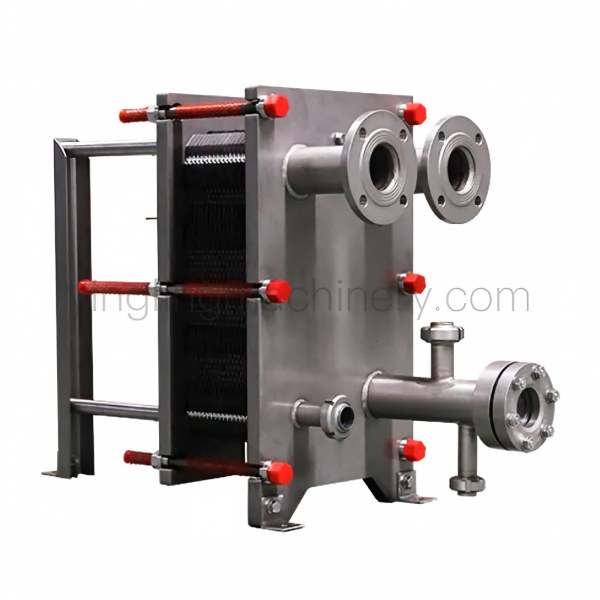
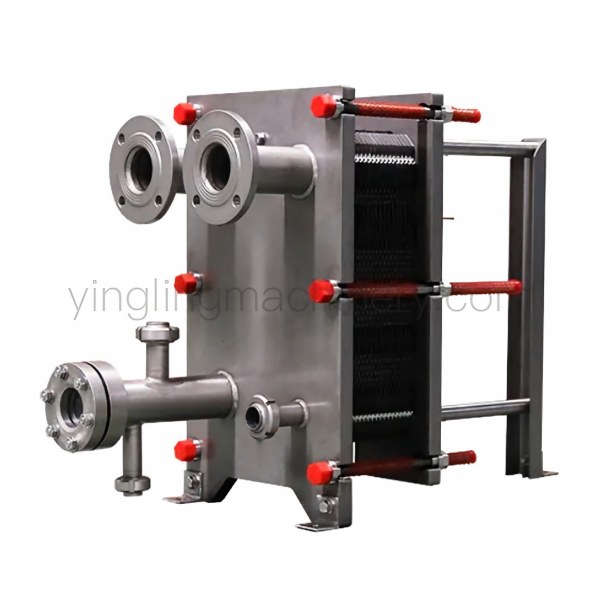
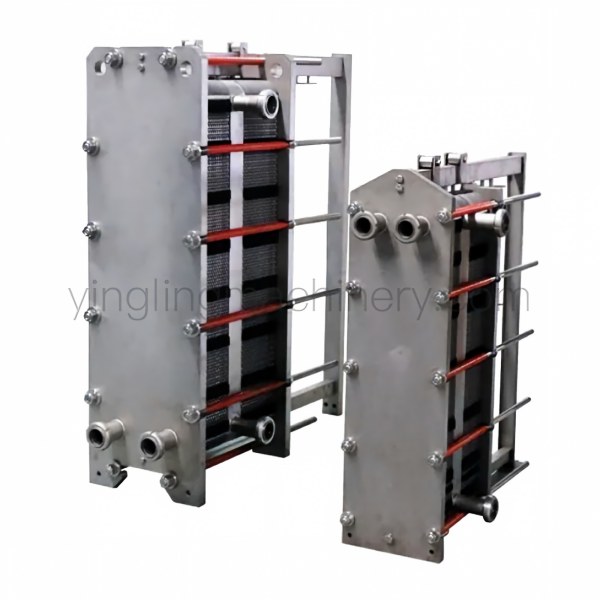
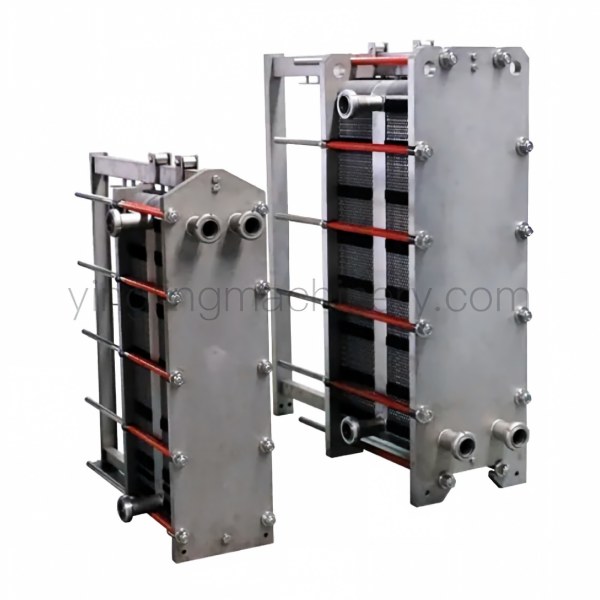
High-Performance Sanitary Plate Heat Exchanger for Milk Pasteurization
1.Hygienic Design
2.Food-Grade Materials
3.High Heat Transfer Efficiency
4.CIP-Friendly Design
5.Sanitary Connections
6.Easy Cleaning & Maintenance
High-Performance Sanitary Plate Heat Exchanger for Milk Pasteurization
In modern dairy manufacturing, precise thermal processing is essential to guarantee food safety, preserve sensory properties, and maintain nutritional value. Our advanced plate heat exchanger for milk pasteurization is specifically engineered to meet the rigorous demands of pasteurization, thermal treatment, and rapid cooling in dairy processing plants worldwide.
Designed in full compliance with 3-A Sanitary Standards and EHEDG guidelines, this high-efficiency milk heat exchanger provides uniform thermal distribution and exact temperature hold times. Whether you are operating HTST (High-Temperature Short-Time) pasteurization lines, ESL (Extended Shelf Life) processing, or cheese milk preparation, our heat transfer technology ensures maximum microbial safety without compromising flavor or protein integrity.
Engineered for Thermal Efficiency and Energy Recovery
Energy consumption is one of the highest operational expenditures in dairy facilities. Utilizing a specialized corrugated plate configuration, our heat exchanger for milk pasteurization achieves heat recovery rates of up to 92%. By utilizing the thermal energy of pasteurized milk to pre-heat incoming cold raw milk, processing plants can drastically reduce steam consumption and chilling utility requirements.
Key Engineering & Operational Highlights:
Sanitary Design & Clean-in-Place (CIP): Smooth surface finishes (Ra < 0.6 µm) and FDA-compliant food-grade gaskets (EPDM / NBR) eliminate dead zones, preventing fouling, burn-on, and bio-film formation.
Gentle Product Handling: Specially optimized pressing patterns ensure low shear stress and minimal pressure drop, safeguarding sensitive milk fat globules and native whey proteins.
Flexible Multi-Section Layouts: Can be integrated with regeneration, heating, holding, and chilling sections within a single compact frame to streamline your production footprint.
The Vital Role of Plate Heat Exchanger in Milk Processing
The application of a dedicated plate heat exchanger in milk processing extends beyond standard fluid milk pasteurization. Our modular thermal units are widely deployed across various dairy production lines, including:
Fluid Milk & Cream Pasteurization: Precise heating to 72°C–75°C with guaranteed holding time, followed by rapid cooling to 4°C.
Yogurt & Fermented Milk Base Preparation: High-temperature holding and exact fermentation temperature maintenance.
Ice Cream Mix Thermal Treatment: Efficiently handling higher viscosity fluids with specialized deep-corrugation channel plates.
Cheese Milk Thermal Treatment: Sub-pasteurization (thermization) to control native microflora while preserving enzymatic activity for cheesemaking.
Technical Specifications & Sanitary Standards
| Parameter | Standard Specification | Optional Customization |
| Plate Material | AISI 316L Stainless Steel (1.4404) | Titanium / Hastelloy C-276 |
| Gasket Material | Food-Grade EPDM / NBR (FDA / 3-A compliant) | FKM / Clip-on Glue-free Gaskets |
| Design Pressure | 10 bar – 16 bar | Up to 25 bar custom rating |
| Plate Thickness | 0.5 mm / 0.6 mm | 0.4 mm – 0.8 mm |
| Thermal Efficiency | Up to 92% Heat Regeneration | Multi-pass & multi-section design |
| Standards Compliance | 3-A Sanitary, EHEDG, FDA, PED 2014/68/EU | ASME Section VIII / CE Certification |
Why Partner with Us for Your Dairy Heat Transfer Needs?
With decades of specialized expertise in sanitary heat exchange equipment, we provide complete turn-key engineering support—from thermal sizing and CAD layout modeling to system integration and CIP optimization. Every unit undergoes rigorous hydrostatic and leak testing prior to dispatch, delivering peace of mind and long-term operating stability to your production line.
Ready to Upgrade Your Dairy Processing Efficiency?
Request a Custom Design & Quote for Your Pasteurization Line Today!
Speak directly with our sanitary application engineers to select the optimal plate geometry, surface area, and flow configuration tailored to your capacity requirements.